On May 12, 2026, the APEC TEL 72 seminar—Artificial Intelligence and Robotics Empowering Smart Elderly Care Innovation Practices—was successfully held at the Shanghai World Expo Center. This seminar was hosted by the China Academy of Information and Communications Technology (CAICT) and served as one of the key events during the second APEC China Senior Officials Meeting (SOM2). It brought together representatives from APEC economies and government, industry, academia, and research institutions to engage in in-depth exchanges on policy practices, technological innovation, scenario implementation, and international cooperation in the smart elderly care field, jointly exploring the construction of an inclusive, trustworthy, and warm new ecosystem for an aging society in the Asia-Pacific through artificial intelligence and robotics. The meeting was chaired by Ma Xin, Director of the CTTL Terminal Labs of CAICT.
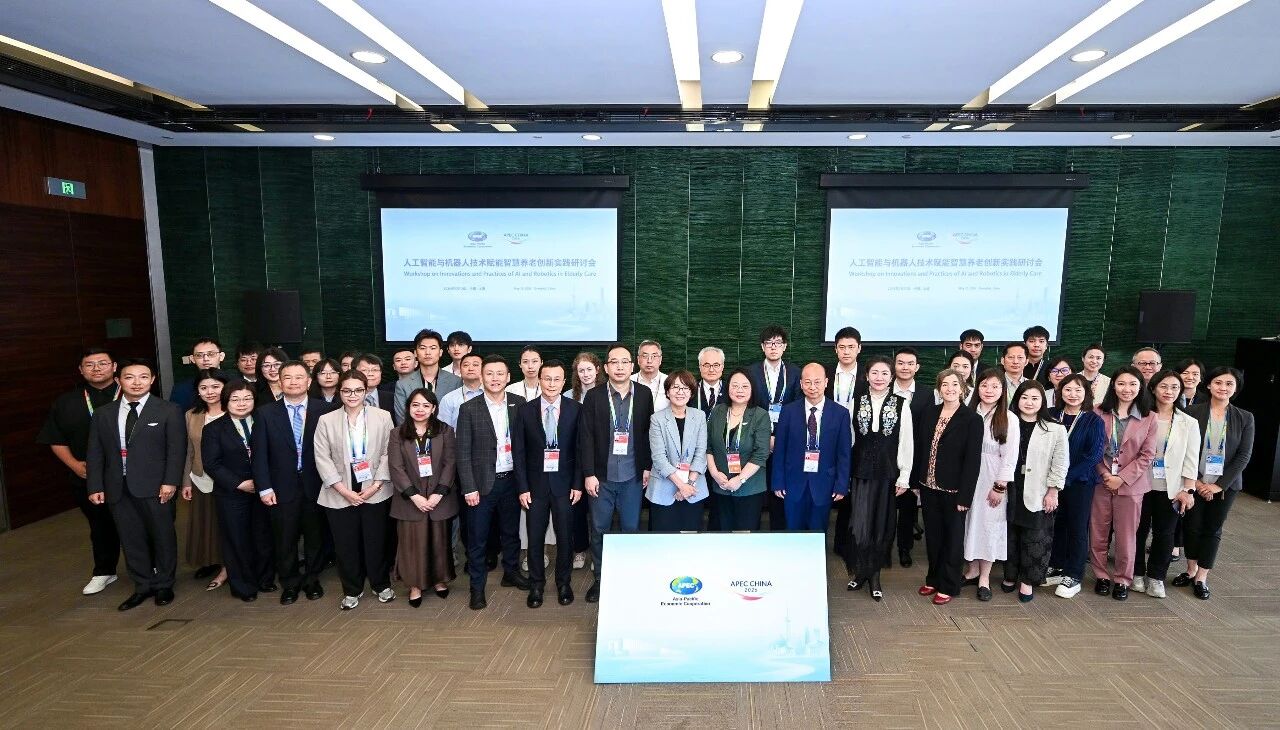
Dr. Kang Haiyun, South Korean representative and co-chair of the APEC Telecommunications Working Group; Zhang Xiaolei, Deputy Director General of the International Cooperation Department of the Ministry of Industry and Information Technology and head of the Chinese delegation to the APEC telecommunications working group; and Wei Ran, Chief Engineer of the China Academy of Information and Communications Technology, delivered opening speeches, jointly pointing out that population aging is a major challenge facing the Asia-Pacific region, and that digital technology and intelligent equipment are key supports for resolving the supply pressure of elderly care services, bridging the digital divide, and safeguarding the dignity and well-being of the elderly.
Jiang Haiyun stated that this meeting aligns with the two major priority topics of APEC's AI transformation and population aging, and in line with the elderly care needs of over 400 million elderly people in the Asia-Pacific region, he put forward three recommendations: focusing on practical scenarios, building inclusive trust, enhancing capacity building, and promoting cross-economic mutual learning.
Zhang Xiaolei stated that the pace of population aging in the Asia-Pacific region is accelerating, and actively addressing aging has become an urgent shared task for us and an important area of APEC's digital, inclusive, and pragmatic cooperation. As the host of APEC 2026, China will adhere to the themes of openness, innovation, and cooperation, relying on the 15th Five-Year Plan to deepen policy alignment, standard recognition, and experience sharing in the smart elderly care and health sector with Asia-Pacific economies, promoting more regional cooperation achievements.
Wei Ran called on all economies to share standards, technologies, and practical experience, transforming the aging challenge into new drivers of regional economic and social development, and proposed three core cooperation initiatives around this: promoting international coordination of digital inclusion and information accessibility, strengthening AI-driven smart elderly care framework cooperation, and deepening pragmatic collaboration in the field of embodied intelligence.
Mao Yong, Secretary-General of the China Association of Rehabilitation Assistive Devices, Dr. Jiang Haiyun from the Korea Institute of Information Society Development, and Liu Sha, Director of the Equipment Department of the Chengdu Municipal Bureau of Economy and Information Technology, delivered keynote speeches on the localization application and policy practice of smart elderly care. Toshihisa Ogawa, President of the Japan Association on Aging; Tang Zixiao, product expert for Alibaba-AutoNavi's embodied business; Dr. Liu Ruogu, National Head of JD Housekeeping Elderly Care; and Zhang Jidong, General Manager of China Telecom Tianyi Digital Life Technology Co., Ltd., shared innovative practices and typical cases of artificial intelligence and robotics technology in the field of intelligent elderly care. Attendees also engaged in interactive exchanges on policy implementation, technology adaptation, and cost inclusiveness.
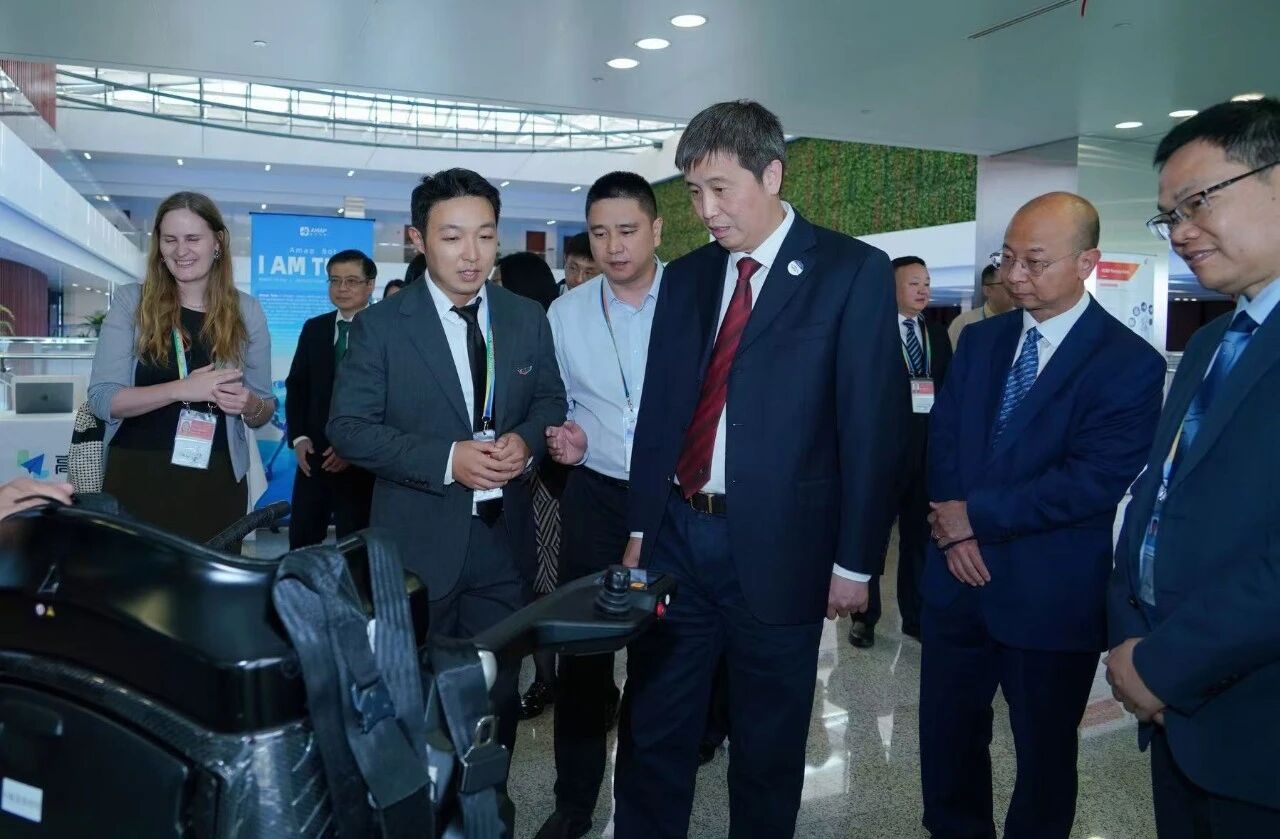
To support the seminar, the SOM2 conference venue set up a smart health and wellness product display and hands-on interactive experience zone, where the Chinese delegation led by Vice Minister Xiong Jijun of the Ministry of Industry and Information Technology, representatives from APEC economies, and attendees participated in the on-site interaction.
Life service robots, wellness robots, emotional companionship robots, health assistance robots, and various smart terminal products were all showcased. Guests observed up close and experienced hands-on hands-on experiences, directly experiencing the practical effects of artificial intelligence and robotics technology in safety protection, health management, emotional companionship, and daily assistance, fully demonstrating the practicality and innovation of smart elderly care technology.
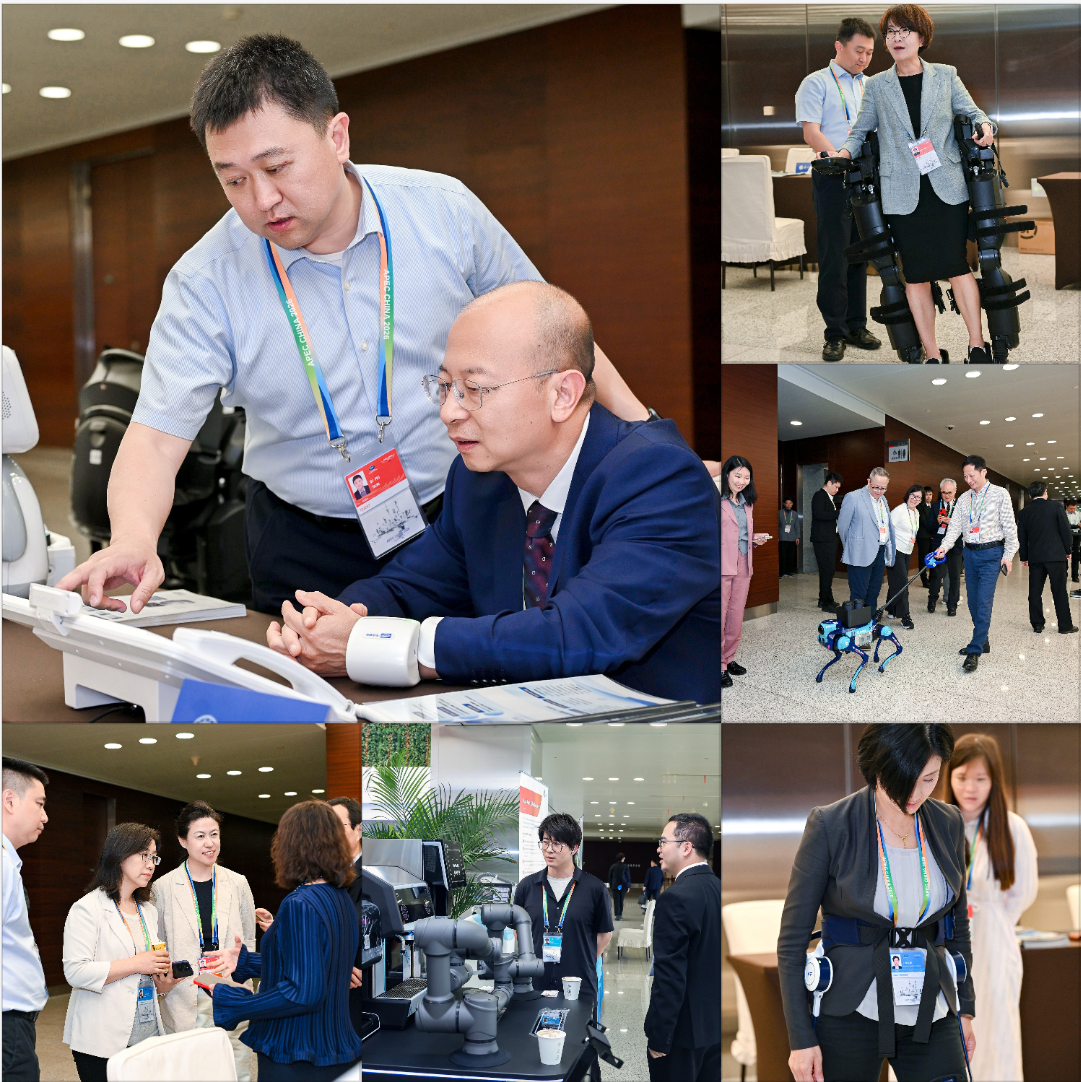
CTTL Terminal Labs of CAICT will take this seminar as an opportunity, leveraging its long-standing technical accumulation and industry experience in smart elderly care and smart terminals, deepen industry collaboration and international cooperation under the APEC framework, promote the deep integration of AI, robotics, and smart terminal technologies with elderly care scenarios, accelerate the transformation and implementation of innovative achievements, speed up the development and promotion of technical standards related to smart elderly care, support the high-quality development of the smart elderly care industry, and contribute to building a safe, inclusive, An open and collaborative Asia-Pacific smart elderly care ecosystem provides solid support.