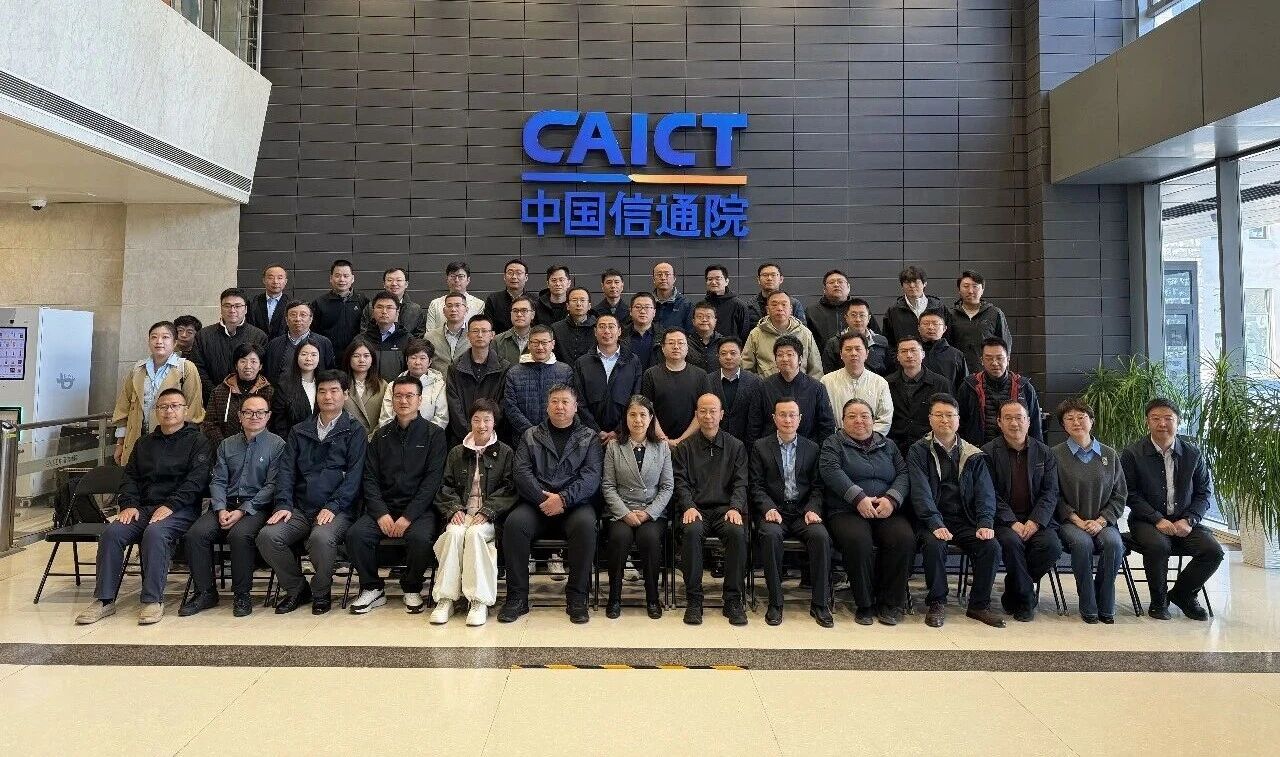
On October 29, 2026, the working group meeting of the Smart Home Industry Ecosystem Cultivation Working Group was held in Beijing. Xiao Duyu, Second-level Inspector of the Consumer Goods Industry Department of the Ministry of Industry and Information Technology, attended the meeting. The meeting was chaired by Wei Ran, Chief Engineer of the China Academy of Information and Communications Technology (hereinafter referred to as "CAICT").
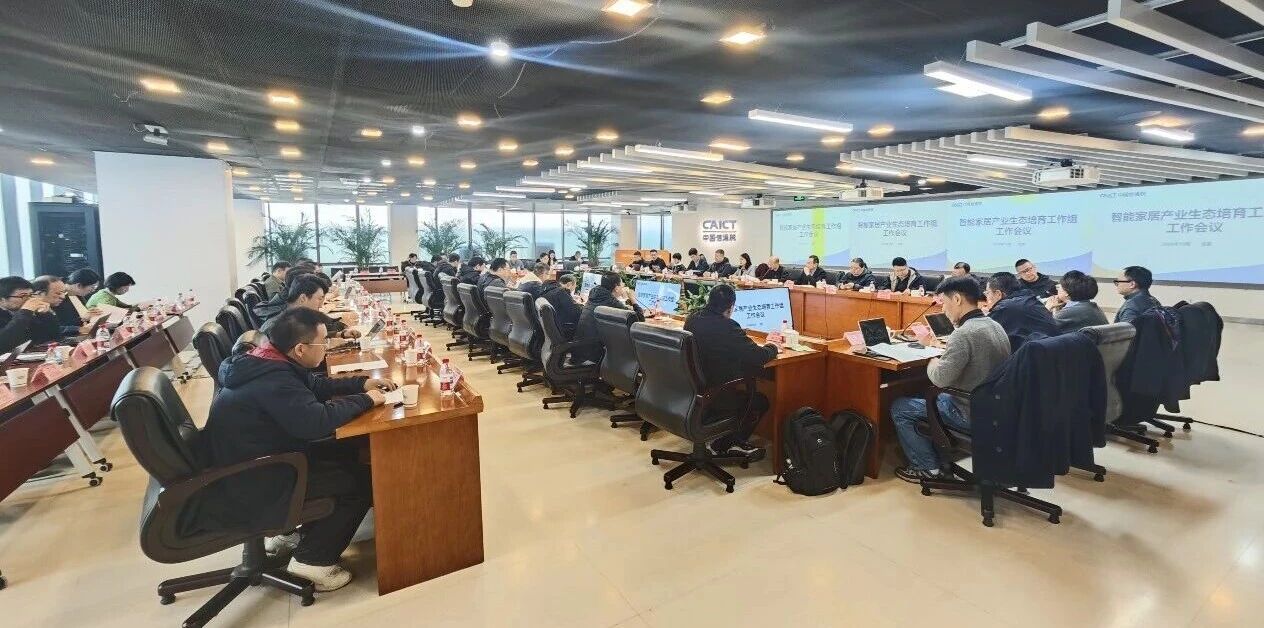
At the meeting, Ma Xin, Director of the CTTL Terminal Labs of the CAICT, delivered the working group's work plan report. Guided by the national standards for smart home interconnectivity, the working group aims to cultivate an open and intelligent smart home industry ecosystem, create smart, safe, and green smart living experiences, and stimulate new momentum for smart home consumption. It has set up specialized groups for industry, technology, standards, testing, open source, products, scenarios, AI, and international initiatives. Through open source development and chip module adaptation, product scaling and interconnection infrastructure construction, scenario innovation and application demonstration, joint debugging and testing, and public services, the working group aims to promote deep integration of smart homes and artificial intelligence, expand the industry's capabilities from "device interconnection" to "data interconnection" and "service interoperability," and accelerate the formation of a new high-quality development pattern for the smart home industry.
At the end of the meeting, Xiao Duyu pointed out that this meeting was very timely and of great significance. The Party Central Committee and the State Council attach great importance to the development of the home furnishing industry. The purpose of forming the working group is to solve pain points faced by consumers in a better life, resolve bottlenecks in consumption and industrial upgrading, and jointly cultivate a coordinated industrial development ecosystem with international competitive advantages. Xiao Duyu emphasized the need to fully absorb the opinions and suggestions raised at the meeting, implement the work suggestions, and achieve tangible results. First, strengthen overall awareness, jointly expand and strengthen the industry, seize the initiative in AI development, innovate and develop new products and business formats, and build new competitive advantages; Second, adhere to standards-led approaches, accelerate the construction of an independent and controllable technical standard system, use mandatory national standards as a powerful lever, organize industrial chain breakthroughs, solve technical challenges, and organize joint debugging and verification by different enterprises, attach great importance to open-source community building, and effectively lower R&D thresholds for enterprises through shared development tools and small but refined solutions; Third, strengthen application guidance, accelerate product implementation, and innovate in scenarios. Support key enterprises to take the lead in achieving this, collaborating with the industrial chain to jointly create a better smart home life; Fourth, insist on open cooperation, strengthen international technical exchanges, and enhance global discourse power.
The convening of this meeting marks the transition of smart home interconnection from the standard formulation stage to a new stage of standard implementation and ecosystem co-construction. Next, under the guidance of the Consumer Goods Industry Department of the Ministry of Industry and Information Technology, the working group will focus on key tasks, accelerate solving industry pain points such as device compatibility, standard interoperability, and data security, cultivate an open, win-win, secure, and controllable industrial ecosystem, and inject strong momentum into the high-quality development of the smart home industry.

Working Group Contact:
Chen Yize
15210830257
chenyize@caict.ac.cn